Soho carpet cleaning after club night on Dean Street: a practical guide for fast, reliable results
If you've ever walked into a Soho venue the morning after a busy night, you'll know the scene: tired carpet fibres, drink marks near the bar, a sticky patch by the entrance, maybe a vague smell that seems to hang in the air no matter how many windows you open. Soho carpet cleaning after club night on Dean Street is really about getting that space back to normal quickly, safely, and without making a small mess into a bigger one.
Whether you manage a club, a late-night bar, a private members' space, or a nearby hospitality venue, the job is usually the same. You need the floor to look clean, feel fresh, and be ready for the next rush. This guide breaks down how it works, what to do first, what to avoid, and how to judge the right cleaning approach for busy central London premises. No fluff. Just the useful stuff, with a bit of real-world context where it helps.
Practical takeaway: the best results usually come from quick spill response, the right stain treatment, proper extraction, and enough drying time to avoid musty smells or re-soiling. Easy enough in theory. Less easy at 2 a.m. after last orders, to be fair.
Why Soho carpet cleaning after club night on Dean Street Matters
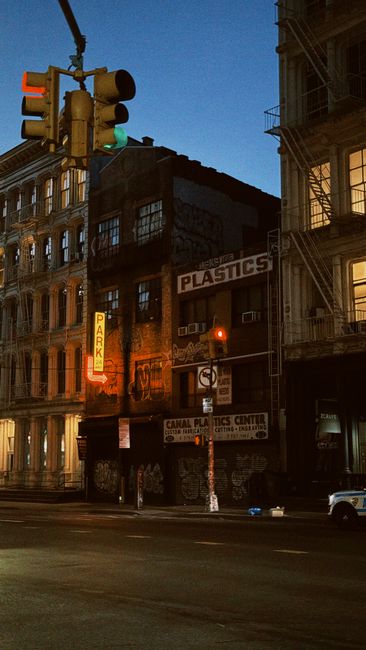
Dean Street sits in the middle of a part of London that doesn't exactly sleep early. Clubs, bars, restaurants, late-night offices, event spaces, and short-let properties all create heavy footfall. That matters because carpet damage in these settings is rarely one dramatic event. It's usually a series of small things: tracked-in grit, spilled drinks, makeup, food residue, cigarette smoke particles, chewing gum, and the occasional mystery mark no one wants to claim.
Carpet cleaning in this setting is not only about appearances, though appearance does matter. It also affects odour control, slip risk, hygiene, the life of the carpet, and how a venue feels when the next guests arrive. A carpet that looks dull or smells stale can make a room feel neglected, even if everything else is spotless. And in hospitality, first impressions are a bit ruthless.
There's also a very practical side. Stains left overnight tend to settle deeper. Sugary drinks can bond with fibres. Body oils and fine dust cling to pile. If the venue is busy, the cleaning window may be tiny, so speed and method matter together. Quick action saves money later, which is the sort of sentence nobody enjoys but everyone respects when the invoice arrives.
If your space also needs broader support after a packed evening, it can make sense to combine carpet work with deep cleaning or even commercial cleaning so the front-of-house feels fully reset rather than halfway done.
How Soho carpet cleaning after club night on Dean Street Works
The right cleaning method depends on carpet type, soil level, and how much time you have before reopening. In practice, most professional work follows a sequence: inspect, identify stains, pre-treat, clean, extract, and dry. Simple on paper. Slightly more involved when there are still bottles to clear and the bass has only just stopped vibrating through the floor.
1. Inspection and fibre check
A good cleaner starts by looking at the carpet construction. Wool, synthetic blends, and commercial loop pile all react differently to moisture, temperature, and detergents. This matters because harsh treatment can distort fibres, set some stains, or leave the carpet looking patchy.
They'll also check for high-risk areas: entrances, bar fronts, stair landings, and toilets-adjacent routes. Those spots usually carry the heaviest load, and they often need more focused stain treatment than the rest of the floor.
2. Dry soil removal
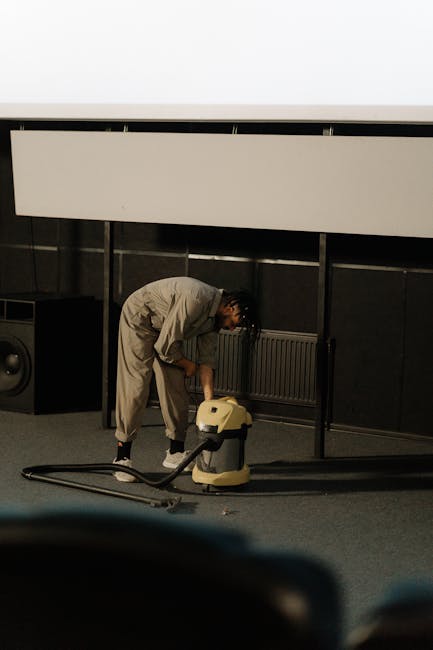
Before water or cleaning solution is applied, loose debris should be removed. That means vacuuming slowly and thoroughly, especially in edges and corners where grit hides. Skipping this stage can turn dirt into slurry, which is not the glamorous effect anyone wants.
3. Spot and stain pre-treatment
After a club night, you commonly see wine, beer, spirits, soft drinks, cocktail mixers, grease, makeup, and food spills. The trick is to match the pre-treatment to the stain type. Protein-based residue, sugar, and oily marks all behave differently. A one-size-fits-all spray often disappoints.
For stubborn patches, a specialist stain-removal approach can help preserve the carpet while improving the final finish. Where odours are part of the problem, especially after repeated spillages or damp footwear, it may also be worth considering odour-focused stain treatment principles, even if the source is not pet-related. The idea is the same: attack what is embedded, not just what is visible.
4. Main cleaning method
For many commercial carpets, hot water extraction or steam-based cleaning is the go-to option. Despite the name, professional steam carpet cleaning usually relies on heated water and extraction rather than literal steam-only treatment. The machine injects solution into the pile and immediately removes it with dissolved soil.
This is effective for deep soil, sticky residue, and most drink-based contamination. But it needs correct technique. Too much moisture leaves the carpet wet for too long. Too little agitation leaves residue behind. Either way, you end up doing the job twice. Not ideal.
Some venues use low-moisture methods when speed is critical, especially if they need to reopen quickly. That can work well for maintenance, though heavily soiled areas often still need a more thorough extraction pass.
5. Drying and finishing
Drying is not a throwaway step. It's the difference between a fresh carpet and one that smells faintly damp by afternoon. Airflow, room temperature, fibre thickness, and the amount of water used all affect drying time. Fans and open access routes help. So does good planning around trading hours.
Once dry, the carpet should be checked for residue, remaining staining, and any wicking, which is when a stain reappears as moisture rises from below. That's common after rushed cleaning. Annoying, yes. Preventable, usually.
Key Benefits and Practical Advantages
Good carpet cleaning after a club night is not just about making the floor look respectable again. It changes how the whole venue functions the next day.
- Better presentation: a clean carpet helps the whole room feel ready, even if the night before was a bit chaotic.
- Improved odour control: spill residue and trapped moisture are common smell culprits in late-night venues.
- Longer carpet life: embedded grit and repeated spillages wear fibres down faster than most owners realise.
- Fewer visible stains: early treatment reduces the chance of permanent marks and patchy discolouration.
- Lower slip and hygiene concerns: sticky residue and damp areas can create awkward conditions for staff and guests.
- Better next-day readiness: venues can reopen with less visible disruption and fewer complaints.
There's also a subtle brand benefit. Guests may never mention the carpet explicitly, but they notice when a room feels cared for. That matters in Soho, where expectations are high and competition is close by. One shabby-looking entrance can drag down the perception of an otherwise strong venue.
If the carpet is part of a wider cleaning cycle, pairing it with one-off cleaning can make sense after a particularly busy event night, especially when the whole space needs a reset rather than just a spot clean.
Who This Is For and When It Makes Sense
This kind of cleaning is useful for a fairly wide range of people in Soho. Some need it on a scheduled basis. Others need it urgently after a rough weekend. Both are normal.
Common users
- Club and bar managers dealing with drink spills, traffic marks, and post-event dirt
- Restaurant owners with carpeted dining or entrance areas
- Private event venues and members' clubs
- Hospitality teams preparing for a next-day booking or busy brunch service
- Short-let hosts and property managers near Dean Street
- Office managers in mixed-use buildings where evening events happen on-site
When it makes sense to book cleaning
You should strongly consider it when stains are fresh but widespread, when odour is building, or when the carpet is losing its clean appearance faster than your in-house team can keep up. If there's been a particularly heavy event, or if wet weather has been dragged in from the street, the carpet may need more than a quick vacuum and a prayer.
It also makes sense when your own cleaning staff are doing a decent job but don't have the equipment for deep extraction. That's not a failure; it's just a different tool for a different scale of mess.
Step-by-Step Guidance
Here's a practical approach if you want the best outcome from Soho carpet cleaning after club night on Dean Street, whether you're doing some of the prep yourself or briefing a professional team.
- Clear the area. Remove furniture where possible, collect glassware, and pick up loose debris. The less clutter, the better the access.
- Identify the worst zones. Entrance mats, around tables, near the bar, and along routes to toilets usually need the most attention.
- Blot fresh spills immediately. Don't rub. Rubbing spreads the stain and can damage the pile. Use clean absorbent cloths and gentle pressure.
- Test any spot treatment first. On commercial carpets, a small hidden test can prevent colour loss or fibre distortion.
- Pre-treat problem areas. Let the solution dwell for the recommended time so it can loosen soil properly.
- Clean using the right method. Extraction, low-moisture cleaning, or a mixed approach should match the carpet and the level of contamination.
- Rinse or extract thoroughly. Residue left behind attracts dirt later and can make the carpet feel tacky.
- Speed up drying. Use airflow, heating where appropriate, and sensible access control until the floor is fully dry.
- Inspect again in daylight. Some stains are easier to see the next morning than under late-night lighting, no surprise there.
A good habit in busy venues is to keep a small response kit ready: microfibre cloths, absorbent pads, gloves, a neutral spot cleaner, and signage for damp areas. Nothing fancy. Just useful.
Expert Tips for Better Results
In our experience, the difference between an average clean and a genuinely good one often comes down to small decisions made early. The sort of things people skip when they are tired.
Work from the edges inward
High-traffic edges and transitions usually carry more grit than the middle of the room. Clean those first so dirt does not get pushed back across the carpet.
Match the treatment to the spill
Wine, beer, syrup, grease, and makeup all need different thinking. If you treat everything the same way, some marks fade while others set harder. That's just how fibres behave.
Don't drown the carpet
More water does not mean more clean. It can mean slower drying, reappearing stains, and that slightly stale after-smell everyone dislikes but pretends not to notice.
Control drying conditions
Good airflow matters. So does not turning the space back into a traffic lane too soon. A carpet that looks dry on top can still be damp deeper down.
Keep a maintenance rhythm
If your venue hosts club nights regularly, don't wait for visible damage before acting. Smaller, more frequent cleans are usually less disruptive than one huge recovery job every few months.
Expert summary: the cleanest results usually come from a calm sequence: dry soil removal, correct pre-treatment, careful extraction, and patient drying. Nothing magical. Just proper process done properly.
Common Mistakes to Avoid
Even experienced teams can get caught out after a long night, especially when they are working fast. A few mistakes show up again and again.
- Leaving spills until the next day: sugary residue and dyes settle in quickly.
- Scrubbing too hard: this can fray fibres and spread stains wider.
- Using the wrong product: strong chemicals can bleach or distort commercial carpet finishes.
- Skipping vacuuming: loose grit will get worked deeper into the pile during wet cleaning.
- Ignoring odour sources: if the smell remains, the cleaning job is not finished yet.
- Reopening too early: damp carpets under foot traffic attract dirt and can pick up fresh marks almost immediately.
- Forgetting a hidden test spot: a quick patch test can save a costly mistake.
One more thing. If a mark does not lift on the first attempt, don't keep attacking it with whatever is to hand. That's how a manageable stain turns into a permanent pale patch. Been there, unfortunately.
Tools, Resources and Recommendations
The right tools make this job far easier. A venue does not need a warehouse full of equipment, but it does need the basics done well.
| Tool or resource | What it helps with | Best use case |
|---|---|---|
| Commercial vacuum cleaner | Dry soil removal and edge cleaning | Daily maintenance and pre-clean prep |
| Spot-cleaning kit | Fresh spill response | Bars, entrances, and event spaces |
| Hot water extraction machine | Deep soil and residue removal | Heavily used carpets after busy nights |
| Air movers or fans | Faster drying | Limited downtime situations |
| Microfibre cloths and absorbent pads | Blotting without spreading stains | Immediate spill response |
| Protective gloves and signage | Safe handling and wet-floor awareness | Active cleaning periods |
For broader property upkeep, it can be useful to look at services such as rug cleaning, upholstery cleaning, or sofa cleaning if the venue's soft furnishings also absorb smoke, drink residue, or general late-night wear.
If you are comparing providers, the most useful questions are often plain ones: What cleaning method will you use? How long will drying take? What happens if a stain reappears? Do you have insurance? Good providers answer clearly, without dancing around it.
Law, Compliance, Standards, or Best Practice
For a Soho venue, carpet cleaning is not usually a heavily regulated activity in itself, but it sits inside a wider duty of care. That means health and safety, risk reduction, and sensible working practices matter. In a busy public-facing site, wet floors, cables from equipment, cleaning chemicals, and trip hazards all need proper control.
Best practice in the UK context usually includes clear communication with staff, suitable signage during cleaning, safe product handling, and attention to ventilation when using stronger cleaning solutions. If your building has shared access, you may also need to think about timing so the work does not interfere with residents, other tenants, or guests.
Insurance is another practical point. If a cleaner is working in a commercial environment, they should be able to explain how they handle damage risk, accidental spillages, and access issues. That doesn't mean every job is risky. It just means real venues have real consequences when things go wrong.
For reassurance on operational standards, it helps to review a provider's health and safety policy and insurance and safety approach. If you want to understand how bookings, payments, or terms are handled, those basics are worth checking too, especially when work is time-sensitive and needs a tight turnaround.
Where sustainability matters to your business, a cleaner's approach to waste, chemicals, and reusable materials may also be relevant. Soho venues are increasingly conscious of this, and quite rightly so.
Options, Methods, or Comparison Table
Different carpet-cleaning methods suit different post-club-night problems. There is no single winner for every venue. The right choice depends on soil level, carpet type, available drying time, and how quickly you need the space back in use.
| Method | Best for | Strengths | Limitations |
|---|---|---|---|
| Hot water extraction | Deep cleaning after heavy use | Strong soil removal, good for general refresh | Longer drying time if over-wet |
| Low-moisture cleaning | Fast turnaround venues | Quicker drying, less disruption | May not remove deep embedded residue as thoroughly |
| Spot treatment only | Small, isolated marks | Fast and cheap for minor issues | Not enough for widespread post-event soil |
| Scheduled maintenance cleaning | Regularly used venues | Prevents heavy build-up, easier long-term care | Needs planning and consistency |
If the carpet is already in rough shape, extraction usually makes the most sense. If the issue is mostly surface marks and you need the room back very quickly, a low-moisture method may be more practical. And if your venue is constantly busy, maintenance cleaning often gives better value than emergency-only fixes.
Case Study or Real-World Example
Picture a typical Soho night: a small venue on Dean Street hosts a packed Friday event. By closing time, there are drink rings near the seating area, a sugary spill near the bar, and a darker traffic line where guests walked in from the wet pavement. Nothing dramatic. Just the kind of everyday mess that quietly adds up.
The team starts by clearing glassware and loose debris, then vacuums thoroughly. The sticky spill near the bar is pre-treated first because it is still fresh. The entrance area gets extra attention since outside grit has been ground into the fibres. The cleaner uses a controlled extraction method, then places air movers to help drying through the early morning. By the time the next service starts, the carpet looks brighter and feels dry enough underfoot. Not perfect in a theatrical sense. Better than perfect, actually. Properly usable.
The useful lesson here is simple: fast response beats dramatic rescue work. The sooner the spill is treated, the less chemistry and labour it usually takes later. That applies whether the venue is a nightclub, a cocktail bar, or a mixed-use hospitality space with a long, busy weekend ahead.
Practical Checklist
Use this quick checklist before, during, or after the cleaning job.
- Clear the area of glassware, furniture obstructions, and loose litter
- Vacuum dry soil before applying any moisture
- Identify fresh spills, old stains, and high-traffic zones
- Patch test any strong cleaner on an inconspicuous spot
- Use the right method for the carpet type and soil level
- Extract residue thoroughly to reduce stickiness
- Increase airflow to speed drying
- Keep people off the carpet until it is fully dry
- Recheck problem spots in daylight
- Document any recurring marks so future cleans are faster
Quick reminder: a carpet that looks acceptable under nightclub lighting can tell a different story in the morning. Always check it properly the next day if you can.
Conclusion
Soho carpet cleaning after club night on Dean Street is really about restoring control after a very busy service. The best results come from a sensible mix of speed, the right method, and a bit of patience while the carpet dries properly. Deal with spills early, clean according to the fibre, and don't cut corners on extraction or drying. That's the heart of it.
For venues in Soho, the stakes are mostly practical but still important: presentation, odour, hygiene, and how ready the space feels for the next crowd. A clean carpet does more than look nice. It helps the whole place feel looked after, which is half the battle in a part of London where people notice everything. If you've been putting off a proper reset, now is usually the best time to start. Small fix, big difference.
Get a free quote today and see how much you can save.
Frequently Asked Questions
How soon should I clean carpets after a club night on Dean Street?
As soon as possible, ideally before stains dry fully and become harder to remove. Fresh spill response usually gives the best chance of avoiding permanent marks and lingering odours.
Is steam carpet cleaning safe for commercial carpets?
Usually, yes, when it is done correctly and matched to the carpet type. The important part is controlled moisture, proper extraction, and enough drying time. Too much water is where problems begin.
What is the best way to deal with drink stains in a Soho venue?
Blot first, do not rub, then use a suitable pre-treatment for the type of spill. For heavy or repeated staining, professional extraction is often the most reliable option.
Can carpet cleaning remove nightclub smells?
Often it can reduce them significantly, especially if the odour is coming from trapped residue, moisture, or deep soil. If the smell is persistent, the source may need targeted treatment rather than a surface clean.
How long does a carpet take to dry after cleaning?
It depends on the method, airflow, carpet thickness, and room conditions. Some carpets dry fairly quickly, while heavier extraction jobs need longer. Drying should always be checked before reopening the area to foot traffic.
Do I need to move furniture before cleaning?
Ideally, yes, or at least shift the items that block the worst-affected areas. Good access makes cleaning more thorough and usually gives a better finish.
What if a stain comes back after the carpet dries?
That is usually called wicking, where residue rises back up as the carpet dries. It can happen if the stain was not fully removed from below the surface or if too much moisture was used. A follow-up treatment is often needed.
Is professional carpet cleaning worth it for small Soho venues?
Often, yes, especially if the venue has regular traffic, drink spill risk, or limited downtime. Even smaller spaces benefit when the carpet needs deeper cleaning than staff equipment can manage.
How often should a club or bar in Soho clean its carpets?
That depends on traffic, layout, and how spill-prone the space is. Busy venues usually need more frequent maintenance than low-traffic spaces, and entrance areas often need attention sooner than the rest of the room.
Can I just spot clean instead of doing a full clean?
For one or two small marks, yes, spot cleaning may be enough. But after a full club night, surface spot work rarely handles all the soil, residue, and odour trapped in the carpet pile.
What should I ask before booking a carpet cleaner in Soho?
Ask what method they will use, how long drying is likely to take, whether they have insurance, and how they handle stubborn stains or repeat marks. Clear answers are usually a good sign.
Are there safety issues with cleaning products in a busy venue?
There can be, which is why ventilation, correct dilution, gloves, and clear wet-floor control matter. In public-facing spaces, these basics are part of safe practice, not just a nice extra.
If you are planning broader upkeep beyond the carpets, it may also help to review related services such as office cleaning, regular cleaning, or after builders cleaning depending on the kind of space you manage. Different problems, different approach, same goal: a place that feels genuinely sorted.
And honestly, that is what good cleaning is meant to do. Not just make things look better for a minute, but give you back a space you can trust the next morning.