Health and Safety Policy for Cleaners Soho
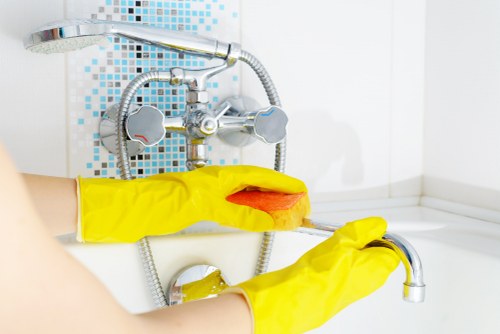 Health and safety is at the heart of every responsible cleaning service. For Cleaners Soho, protecting staff, clients, visitors, and the public means creating a workplace where risks are identified early and managed consistently. This policy sets out the standards expected in daily operations, from routine cleaning tasks to the handling of equipment and materials. It applies to all cleaning activities carried out by the company, whether in offices, homes, shared buildings, or specialist premises.
The purpose of this policy is to reduce accidents, prevent work-related ill health, and ensure that all cleaning work is performed in a safe and controlled way. We believe that a well-managed health and safety approach improves quality, supports staff confidence, and helps deliver reliable results. Every cleaner is expected to follow safe working practices, report concerns promptly, and contribute to a culture of care and responsibility.
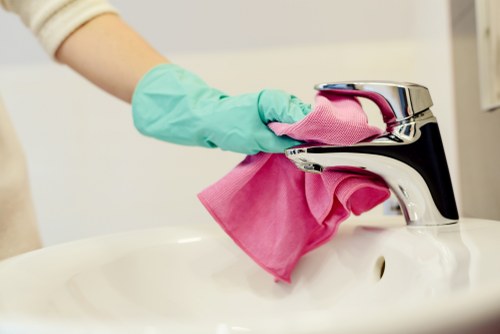 Risk assessment is a central part of our working method. Before any cleaning task begins, the relevant hazards are considered, including slips, trips, manual handling, exposure to chemicals, sharps, electrical equipment, and working at height. Where necessary, control measures are put in place so that each task can be completed safely. This process is reviewed regularly to make sure it remains effective and suitable for the task being performed.
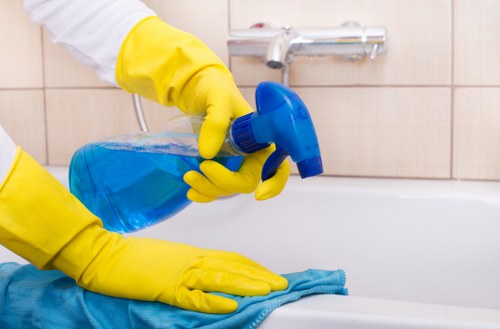
Safe use of cleaning products is essential for both personal protection and environmental care. All products must be used in accordance with their instructions, with suitable dilution, storage, and labelling practices followed at all times. Cleaners must not mix chemicals unless specifically trained and authorised to do so. Gloves, eye protection, or other personal protective equipment may be required depending on the nature of the product and the surface being cleaned.
Personal protective equipment must be worn correctly and kept in good condition. This may include gloves, aprons, non-slip footwear, masks, or eye protection where appropriate. Clothing should be practical and suitable for cleaning duties. Any damaged or unsuitable equipment must be replaced before work continues. Managers are responsible for ensuring that staff understand when PPE is necessary and how it should be maintained.
 Manual handling is another important consideration in the health and safety policy. Lifting, carrying, bending, and repetitive movement can cause strain if done incorrectly. To reduce the risk of injury, cleaners should use proper posture, avoid overfilling buckets or containers, and request assistance with heavy or awkward items. Where possible, equipment should be designed to reduce physical strain and support safer movement throughout the working day.
Equipment safety is equally important. All tools and machines must be checked before use and kept in good working order. Faulty cords, broken handles, leaking containers, and damaged attachments should be reported immediately and taken out of service until repaired or replaced. Cleaning staff should receive appropriate instruction in the correct use of vacuums, floor machines, steam equipment, and other specialist tools to prevent misuse and injury.
Slips and trips remain one of the most common hazards in cleaning work. Floors may become wet, cords may create obstructions, and materials left in walkways can increase the chance of accidents. To manage this risk, cleaners should keep work areas tidy, use warning signs where needed, and ensure that surfaces are allowed to dry or are clearly identified as hazardous. Good housekeeping is a shared responsibility and an essential part of safe working.
Emergency procedures must be understood by everyone carrying out cleaning duties. In the event of a fire, accident, chemical spill, or medical incident, staff should stop work where safe to do so and follow the correct response. First aid arrangements, evacuation procedures, and incident reporting processes should be known in advance. Any accident, near miss, or unsafe condition must be reported so that lessons can be learned and future risks reduced.
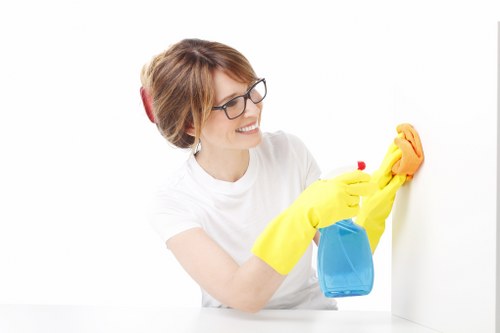 Training and supervision support the effective implementation of this policy. New cleaners must receive induction covering safe working methods, hazard awareness, equipment use, and emergency procedures. Ongoing refresher training should be provided where tasks change or risks increase. Supervisors are responsible for monitoring practice, providing guidance, and making sure that standards are consistently applied across all sites and services.
We also recognise the importance of wellbeing in maintaining a safe workplace. Reasonable workloads, clear instructions, adequate breaks, and open communication help reduce fatigue and stress. Cleaners should feel able to raise concerns without delay if they believe a task is unsafe or if they need additional support. A positive safety culture encourages accountability while also protecting dignity and professionalism.
 Review and improvement are part of our ongoing commitment. This policy will be reviewed regularly and updated when new equipment, procedures, or hazards are introduced. Feedback from inspections, incident reports, and operational experience will be used to strengthen controls and improve working practices. By maintaining high standards in cleaning health and safety, Cleaners Soho aims to provide a dependable service that protects everyone involved in the work.