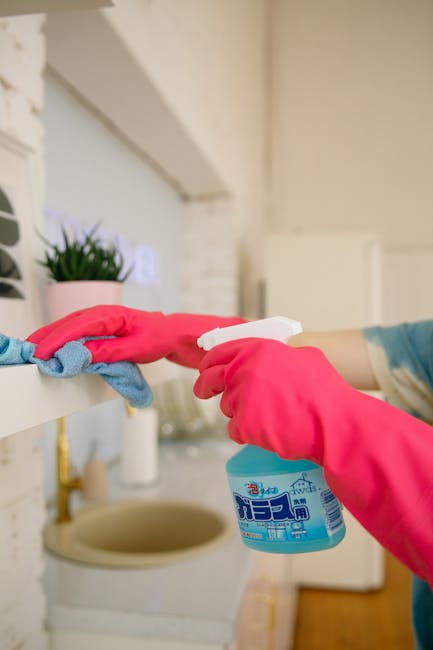
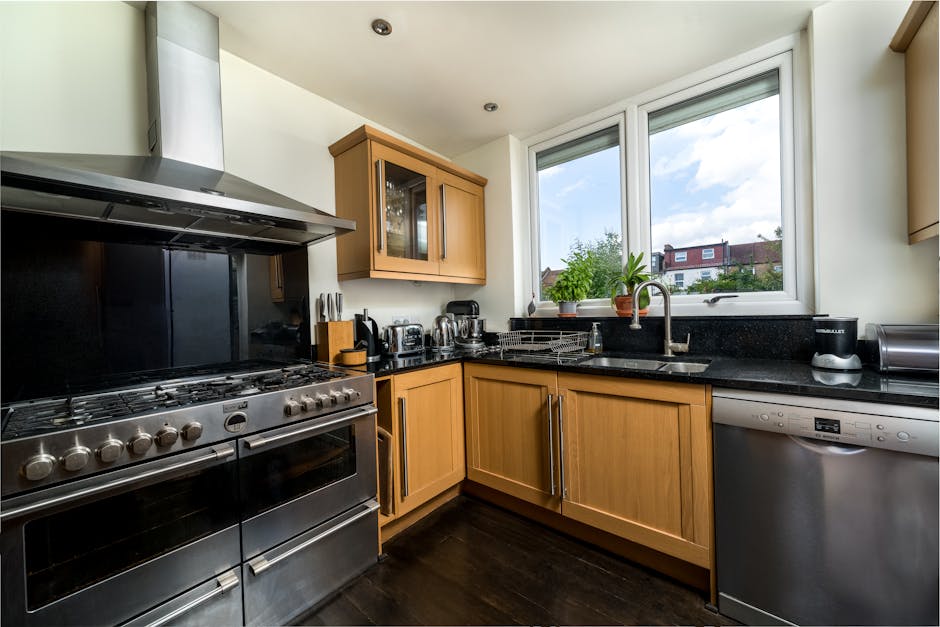
Soho end of tenancy cleaning W1 checklist for landlords
If you manage rental property in Soho, you already know how quickly a flat can go from presentable to tired. One busy tenant, a few months of cooking, a bit of city dust, and suddenly the place needs more than a quick wipe-down. This guide to the Soho end of tenancy cleaning W1 checklist for landlords is designed to help you hand over a property cleanly, fairly, and with far less stress. It covers what to check, what tenants often miss, how to prepare for inspection day, and when a professional service makes better commercial sense. Truth be told, the small details matter most.
Whether you are preparing for new occupants, trying to protect a deposit deduction, or simply keeping a portfolio in good shape, the right approach saves time and awkward back-and-forth later. Soho lets are often compact, high-use, and exposed to a lot of footfall, so cleaning standards need to be more deliberate than a routine tidy. The good news? A strong checklist keeps everything manageable.
Expert summary: Focus on the high-touch, high-risk areas first: kitchens, bathrooms, floors, skirting, internal glass, appliances, and any soft furnishings with visible marks. Document condition before and after, and do not leave cleaning until the move-out day if you can avoid it. A little planning now can spare you a lot of chasing later.
Table of Contents
- Why Soho end of tenancy cleaning W1 checklist for landlords Matters
- How Soho end of tenancy cleaning W1 checklist for landlords Works
- Key Benefits and Practical Advantages
- Who This Is For and When It Makes Sense
- Step-by-Step Guidance
- Expert Tips for Better Results
- Common Mistakes to Avoid
- Tools, Resources and Recommendations
- Law, Compliance, Standards, or Best Practice
- Options, Methods, or Comparison Table
- Case Study or Real-World Example
- Practical Checklist
- Conclusion
- Frequently Asked Questions
Why Soho end of tenancy cleaning W1 checklist for landlords Matters
End of tenancy cleaning is not just about making a place look nice for photographs. For landlords, it is part of risk control. A properly cleaned property is easier to re-let, easier to inspect, and less likely to produce disputes over condition. In Soho, where tenants may include professionals, sharers, short-stay occupants, or people moving between furnished lets, turnover can be fast and expectations can be high.
A clear checklist helps you separate ordinary wear and tear from avoidable neglect. That distinction matters because it shapes how you manage the next steps. For example, a lightly marked bathroom seal may be acceptable wear, but a mouldy grout line or grease-coated extractor hood usually calls for proper remediation. You want the property clean enough that the next tenant feels they are walking into a cared-for home, not a rushed handover.
There is also a practical time issue. Most landlord headaches do not come from one huge problem; they come from a series of small misses. A dusty blind here, a stained carpet there, a greasy oven forgotten because everyone assumed someone else had done it. Those little things stack up. And yes, tenants will notice. So will letting agents.
Key point: A landlord checklist is most useful when it is specific, repeatable, and tied to the actual property condition rather than a vague idea of "clean enough."
How Soho end of tenancy cleaning W1 checklist for landlords Works
At its simplest, the process works in three stages: assess, clean, and verify. That sounds almost too neat, but it is the right framework.
First, assess the property. Walk through room by room and note what needs attention before cleaning begins. Look for damage, stains, odours, limescale, dusty vents, crumbs in appliances, and hidden corners that collect debris. In smaller Soho flats, the problem areas tend to be dense and concentrated: behind appliances, around hob edges, under beds, along skirting, and in window tracks.
Second, clean in the correct order. Start high and work down. Clear dust from shelves, light fittings, and tops of cabinets before doing floors. Clean kitchen appliances before the surrounding cupboards and walls. Bathrooms should be tackled after dry dust is removed, otherwise you end up dragging grime around. Simple, but easy to mess up when you are rushing.
Third, verify the result. The final inspection matters just as much as the cleaning. Open cupboards. Check corners. Lift the toilet seat. Test taps. Look at the edges of floors where dirt tends to collect. Turn on lights and view the room in daylight if possible, because some marks hide under warm artificial light and then pop out near the window at 9am. Annoying, but true.
If you are outsourcing the work, it helps to pair the checklist with a service that understands turnover cleaning rather than general domestic cleaning. A specialist end of tenancy cleaning service is usually better suited to the pace and detail required. For properties that need a broader reset, a deep cleaning approach can be the right fit, especially if the tenancy ended with heavy use or a long gap since the last thorough clean.
Key Benefits and Practical Advantages
The biggest benefit is control. A structured checklist helps you know what has been done, what still needs doing, and where problems are likely to come from. That alone reduces the "he said, she said" feeling that can creep into move-out day.
- Faster re-letting: A property that smells fresh and looks cared for photographs better and feels ready sooner.
- Better deposit conversations: Clear records make it easier to explain why work was needed, if deductions become necessary.
- Less downtime: Small repairs and cleaning tasks can be bundled together before new tenants arrive.
- Improved tenant trust: A clean handover sends a very simple message: the property is managed properly.
- Lower stress for you or your agent: Nobody enjoys arriving for inspection and discovering the oven has been ignored. Nobody.
There is a softer benefit too. A clean property is easier to care for over time. If you notice recurring issues such as limescale, carpet wear, or sofa staining, you can act earlier next time. That helps prevent a one-off turn into a bigger maintenance pattern.
For furnished lets, the cleaning standard is even more visible. Items such as upholstered chairs, rugs, curtains, and mattresses carry smells and dust in a way hard surfaces simply do not. Services like upholstery cleaning, rug cleaning, and mattress cleaning can make a major difference when the property needs to feel properly reset rather than just surface-clean.
Who This Is For and When It Makes Sense
This checklist is for landlords, property managers, letting agents, and anyone responsible for handover quality in a Soho rental. It is especially useful if you manage compact flats, older buildings with tricky finishes, or furnished accommodation where every item has to pass a close look.
It makes sense in several situations:
- the tenancy ended normally and you want a consistent handover standard;
- the property has had heavy day-to-day use and needs a fuller reset;
- you are preparing for new tenants on a tight move-in timeline;
- the last inspection flagged issues such as oven grease, bathroom limescale, or carpet staining;
- you want a cleaner, more defensible record before discussing deposit deductions.
It also helps with mixed-use or managed buildings where shared areas matter. In those cases, a clean private unit can still feel underwhelming if the entrance, stairwell, or corridor is shabby. If that sounds familiar, consider whether communal area cleaning should be part of the wider turnover plan, not treated as an afterthought.
For landlords with multiple units, the smartest move is often to standardise the process. Same checklist. Same photo format. Same sequence every time. It sounds boring, but boring systems are what save time.
Step-by-Step Guidance
Here is a practical way to work through an end of tenancy clean in Soho without missing the obvious or the awkward bits.
- Confirm the move-out condition. Walk the property before cleaning starts. Note damage, stains, missing items, burnt bulbs, or anything that needs repair before deep cleaning begins.
- Remove all belongings. Cleaning is much more effective once cupboards, shelves, and floors are clear. If the tenant has left unwanted items behind, arrange house clearance before full cleaning starts.
- Deal with rubbish and odours first. Empty bins, remove old food, and ventilate rooms. Smell can cling to a property even when surfaces look fine.
- Clean the kitchen thoroughly. Degrease the hob, extractor, splashback, cupboard fronts, fridge, freezer, and sink. Don't forget handles and kickboards, because they collect fingerprints and grime quietly.
- Focus on the oven. This is one of the most commonly checked items. If it has burnt-on residue, a dedicated oven cleaning service can be the difference between acceptable and not quite there.
- Deep clean bathrooms. Remove limescale, soap residue, hair, and mildew. Check shower screens, taps, toilet bases, seals, mirrors, and grout lines.
- Dust and detail the living areas. Clean skirting boards, shelves, light switches, sockets, doors, frames, and internal glass.
- Address floors carefully. Vacuum thoroughly, then wash hard floors or treat carpet stains. If needed, schedule carpet cleaning or steam carpet cleaning depending on the fabric and level of soiling.
- Check windows inside and out where accessible. Glass, tracks, ledges, and frames can make a room feel clean or slightly grimy in one glance. Funny how that works.
- Inspect soft furnishings and final touchpoints. Curtains, sofas, mattresses, and cushions should be fresh, not merely tidied. If there are pet smells or stubborn stains, targeted treatment helps. Services such as pet stain odour removal and stain removal are worth considering where relevant.
- Photograph the finished property. Use consistent angles and good light. Keep the file naming simple. You will thank yourself later.
If the property has awkward access, narrow staircases, or lots of glazing, a specialised window cleaning or hard floor cleaning input may be more efficient than trying to do everything in-house. In a compact Soho flat, one missed surface can make the whole place feel unfinished.
Expert Tips for Better Results
After many turnovers, one thing becomes clear: the difference between a decent clean and a great one is usually not effort. It is sequencing and detail.
Work from the dirtiest hidden areas outward. If you start with visible surfaces and leave the awkward places to the end, the property often ends up looking half-done. Open shelves, behind appliances, undersides of sinks, extractor filters, and the top edges of door frames are classic culprits.
Use room-specific logic. Kitchens need degreasing. Bathrooms need descaling. Living rooms need dusting and fabric attention. Treating every room the same is a shortcut to disappointment. Not catastrophic, just inefficient.
Take care with older finishes. Soho properties often include older joinery, painted surfaces, and mixed flooring. Harsh cleaning can damage these quickly. Test a small area first where you are unsure, especially with delicate paint, stone, or natural fibres.
Document before and after. Photos matter more than people think. Even when you do not end up in a dispute, you will have a better record for future reference. That saves guessing later.
Build in a buffer. If you leave the whole job until the final morning, you will be rushed. Rushed cleaning is where tiny missed spots live. Better to allow a little breathing room. A few hours can make the difference.
If your property has been used as a short-let or serviced stay, turnover can resemble a more intensive reset than a standard tenancy clean. In that case, an airbnb cleaning style workflow may actually be more appropriate, especially if bedding, bathrooms, and kitchenware need close attention.
Common Mistakes to Avoid
Most avoidable problems are boring ones. They are the kinds of mistakes people make because they assume the obvious part is enough.
- Only cleaning visible surfaces. This leaves cupboards, corners, and appliance interiors untouched.
- Ignoring odours. A room can look spotless and still feel unpleasant if food, damp, smoke, or pet smells remain.
- Forgetting soft furnishings. Curtains and upholstery absorb dust and smell faster than hard surfaces do.
- Skipping the final inspection. You need a second look after the work is done, not just during it.
- Using the wrong method for the material. What works on laminate may damage stone, and what works on synthetic carpet may be wrong for wool.
- Leaving cleaning until after key collection. That is how minor issues become urgent issues.
- Assuming the tenant has cleaned to the required standard. Sometimes they have, sometimes not. Trust, but verify. Old-school advice, still useful.
Another common miss is building cleanliness. If your tenant exits through a shared hall, and that hall looks neglected, the whole handover can feel weaker than it should. For landlords with multiple units, the surrounding environment should be reviewed too. If needed, a broader commercial cleaning or office cleaning style maintenance plan may be useful for managed spaces, though it depends on the property mix.
Tools, Resources and Recommendations
You do not need a warehouse full of equipment, but you do need the right basics. A sensible toolkit makes the job smoother and reduces the chance of causing damage.
- microfibre cloths and disposable cloths for different surfaces;
- vacuum with attachments for edges, upholstery, and corners;
- mop suitable for the floor type;
- non-abrasive bathroom cleaner and descaler;
- degreaser for kitchen surfaces and extractor areas;
- glass cleaner for mirrors and internal windows;
- stain-specific treatment where appropriate;
- protective gloves for heavier work;
- camera or phone for before-and-after records;
- printed or digital checklist with room-by-room notes.
For more demanding jobs, the question is less about tools and more about time and expertise. If the property needs a thorough reset after renovation dust, consider whether after builders cleaning is actually the better match. If the rental has hard flooring throughout, a specialist hard floor cleaning approach can protect the finish while giving a better result than generic mopping.
Landlords who manage multiple stock levels often find that a planned clean is easier than a reactive one. Regular upkeep through regular cleaning or an occasional one off cleaning service can reduce how much work is needed at the point of turnover. Small habit, big payoff.
Law, Compliance, Standards, or Best Practice
Cleaning itself is not usually the legal headline, but the way you manage it can affect tenancy disputes, safety, and your wider obligations as a landlord. The key is to stay fair, consistent, and well documented.
In the UK, the practical norm is that a property should be returned in a similar state of cleanliness to the condition at the start of the tenancy, allowing for fair wear and tear. That means the inventory, check-in photos, and check-out evidence matter a lot. If you have good records, you are in a much stronger position when discussing what was already present versus what changed during the tenancy.
From a safety point of view, use products and methods carefully. Strong chemicals, wet floors, and electrical appliances do not mix well. That sounds obvious, but accidents usually come from obvious things being rushed. If a task seems beyond safe DIY handling, bring in a trained team. Our own health and safety policy and insurance and safety information are the kinds of checks a careful landlord should look for when choosing a provider.
Best practice also includes transparency on what is and is not included in the cleaning scope. For example, oven degreasing, carpet treatment, upholstery care, and window cleaning may sit in separate service categories depending on the property condition. That is not a complication, just a sign that the job should be scoped properly rather than guessed.
And one more thing. If a property has been vacant, dusty, or affected by maintenance work, the right standard is usually more than a quick dust and vacuum. A proper turnover clean should leave no obvious residue, odour, or grime in the main living areas. Simple enough, but worth stating plainly.
Options, Methods, or Comparison Table
Landlords usually have three realistic approaches: do it themselves, use a general cleaner, or hire a specialist end of tenancy team. Each has a place, depending on time, property condition, and how much evidence you need at the end.
| Approach | Best for | Strengths | Limitations |
|---|---|---|---|
| DIY landlord clean | Small, lightly used properties with limited issues | Lower immediate cost, full control | Time-consuming, easy to miss detail, harder to document thoroughly |
| General domestic cleaning | Homes needing maintenance-level cleaning before handover | Convenient, familiar, flexible | May not cover heavier turnover problems or specialist areas well |
| Specialist end of tenancy cleaning | Properties requiring a detailed reset and stronger inspection readiness | More thorough, better suited to handover standards, often more efficient overall | Higher upfront spend than a quick clean |
In practice, many landlords mix methods. They might handle inspection, repairs, and lighter touch cleaning themselves, then call in specialists for carpets, ovens, or upholstered items. That can be a sensible compromise, especially when the property is in decent shape but not quite ready to pass a close inspection.
If your rental has a lot of fabric or comfort furniture, adding sofa cleaning or curtain cleaning can lift the whole feel of the space. A room with a fresh sofa and clean windows suddenly feels much more generous. Funny how the eye works.
Case Study or Real-World Example
A common Soho scenario goes like this. A one-bedroom flat near a busy stretch of the district comes back after a year-long tenancy. The tenant has removed their belongings, but the kitchen has baked-on grease, the bathroom glass has limescale, and the carpet near the sofa has a dull traffic mark. Nothing dramatic. Just enough to make the flat feel older and a bit tired.
The landlord walks through first, notes the concerns, and takes photos before any work starts. Rather than treating the flat as one big cleaning job, each area is split into tasks: kitchen degreasing, bathroom descaling, carpet treatment, window detail, and final dusting. The oven gets a specialist clean because, to be fair, that is usually where the biggest time sink hides. Upholstery is checked for smell and light staining, and the hallway floor is polished properly rather than just mopped quickly.
After cleaning, the flat feels noticeably brighter. The kitchen smell is gone, the bathroom looks sharper, and the carpet no longer catches the light in a dull way. The key win is not just appearance. The landlord now has a clear before-and-after record and can hand the property to new tenants without worrying about awkward last-minute complaints.
That is the sort of result a good checklist should create: not perfection for its own sake, but calm, consistent readiness.
Practical Checklist
Use this as a landlord-friendly handover checklist for Soho end of tenancy cleaning. It is designed to be practical, not fussy.
- Check the inventory and compare condition notes.
- Remove all rubbish, leftover items, and food waste.
- Ventilate the property before cleaning starts.
- Clean inside and outside of kitchen cupboards.
- Degrease hob, splashback, extractor, and surrounding walls.
- Clean oven, grill tray, racks, and seals.
- Defrost and clean fridge and freezer if included.
- Descale taps, shower screens, tiles, and toilet areas.
- Clean mirrors, sinks, and bathroom fittings.
- Dust skirting boards, ledges, frames, and light switches.
- Vacuum under beds, sofas, and behind furniture.
- Treat carpet stains and inspect edges and corners.
- Wash hard floors with the correct product.
- Clean internal windows, sills, and tracks.
- Check upholstery, rugs, mattresses, and curtains.
- Wipe doors, handles, sockets, and radiators.
- Remove marks from walls where safely possible.
- Take final photos in good light.
- Record anything that remains damaged or beyond cleaning.
- Confirm keys, access notes, and next-step handover details.
If you want the process to be more manageable next time, consider a pre-tenancy or pre-move-in approach as well. A strong move in cleaning reset at the start of a tenancy often makes the end of tenancy far easier later on. Prevention is less glamorous than a rescue clean, but it works.
Conclusion
A solid Soho end of tenancy cleaning checklist for landlords is really about more than cleanliness. It protects time, supports fair conversations, and helps you present each property at its best without scrambling on the final day. In a busy area like W1, where tenant turnover can move quickly and expectations are often exacting, a calm and methodical process is worth its weight in gold.
Keep the checklist specific. Focus on the parts tenants overlook. Photograph everything. And when the job needs more than a quick refresh, bring in specialist help early rather than hoping the last hour will sort itself out. It rarely does. The good news is that once you have a strong routine, each turnover gets easier. Much easier.
If you are planning a handover and want a cleaner, smoother finish, use this checklist as your starting point and build your process from there.
Get a free quote today and see how much you can save.
Frequently Asked Questions
What should landlords check first during end of tenancy cleaning in Soho?
Start with the kitchen and bathroom. Those are the areas most likely to trigger complaints because they show grease, limescale, odours, and missed detail quickly. After that, move to floors, windows, and soft furnishings.
Do landlords need a professional end of tenancy clean in W1?
Not always, but it is often the most efficient option when the property has heavy use, stubborn staining, or a tight turnaround. A professional team can also help with documentation and consistency.
Is a landlord allowed to deduct cleaning costs from a deposit?
Potentially, yes, if the tenancy agreement supports it and the property is returned in a worse condition than at the start, allowing for fair wear and tear. Good inventory evidence matters a lot here.
How clean does a Soho rental need to be before new tenants move in?
It should be visibly clean, odour-free, and ready to occupy. In practice, that means no obvious dust, grease, limescale, grime, or lingering smells in the main rooms.
What are the most commonly missed areas in end of tenancy cleaning?
Inside cupboards, behind appliances, extractor filters, skirting boards, window tracks, door handles, and bathroom seals are the usual misses. Soft furnishings can also hold dust and odours longer than expected.
Should landlords clean carpets separately?
If the carpets are stained, flattened, or visibly dirty, yes. A separate carpet treatment or steam clean is often worthwhile, especially in smaller Soho flats where carpets can affect the whole feel of the property.
How long does an end of tenancy clean usually take?
It depends on property size and condition. A well-kept one-bed flat may be fairly straightforward, while a furnished property with kitchen grease, bathroom scale, or carpet marks will take longer. The condition matters more than the square footage, to be honest.
What if the tenant leaves furniture behind?
Unwanted items should be removed before cleaning begins, otherwise you cannot properly access floors, cupboards, and hidden areas. In that case, house clearance is usually the first step.
Can landlords combine cleaning with other maintenance tasks?
Yes, and often they should. Minor repairs, bulb changes, window cleaning, and floor treatment can be coordinated so the property is ready in one go rather than piecemeal.
What is the best way to prove the property was cleaned properly?
Use before-and-after photos, keep a written checklist, and note any exceptions. If you use a professional service, retain the job details and scope so you can show what was included.
When should a landlord book end of tenancy cleaning?
Ideally, book it once the move-out date is confirmed and the property is fully empty. That gives you enough time to inspect, clear items, and make sure the clean is not rushed.
What if the property has pet smells or staining?
Use targeted treatment rather than hoping general cleaning will solve it. Pet odours and stains can sink into carpets, rugs, sofas, and mattresses, so specialist treatment is usually the sensible route.